Mechanism of Injury
ACL injuries typically occur in two main ways: contact and non-contact.
Non-contact Injuries
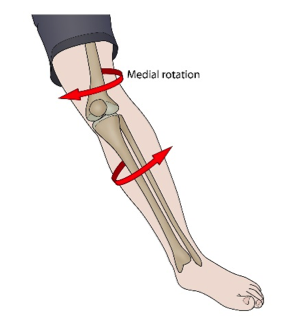
About 70% of ACL injuries are non-contact, meaning they happen without any collision with another player. Instead, they occur during normal athletic movements that place a high amount of stress on the knee. These movements often include sudden deceleration—like when an athlete quickly slows down—pivoting on a planted foot, or landing from a jump.
One of the most common injury mechanisms happens when an athlete plants their foot and then quickly changes direction. If the knee collapses inward during this movement, a position known as knee valgus, it puts a large amount of strain on the ACL.
Landing mechanics are another big factor. If an athlete lands from a jump with stiff legs or poor alignment, especially if the knees cave inward, it can significantly increase the risk of injury.
Contact Injuries
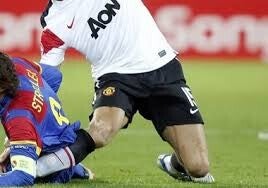
The other 30% of ACL injuries are contact injuries. These involve direct force to the knee, such as a collision with another player. This could be something like a hit to the side of the knee, which forces it inward, or a situation where the knee is pushed into hyperextension or twisted beyond its normal range of motion. While these injuries are often more obvious because of the contact involved, they can be just as damaging.
Congruent Injuries
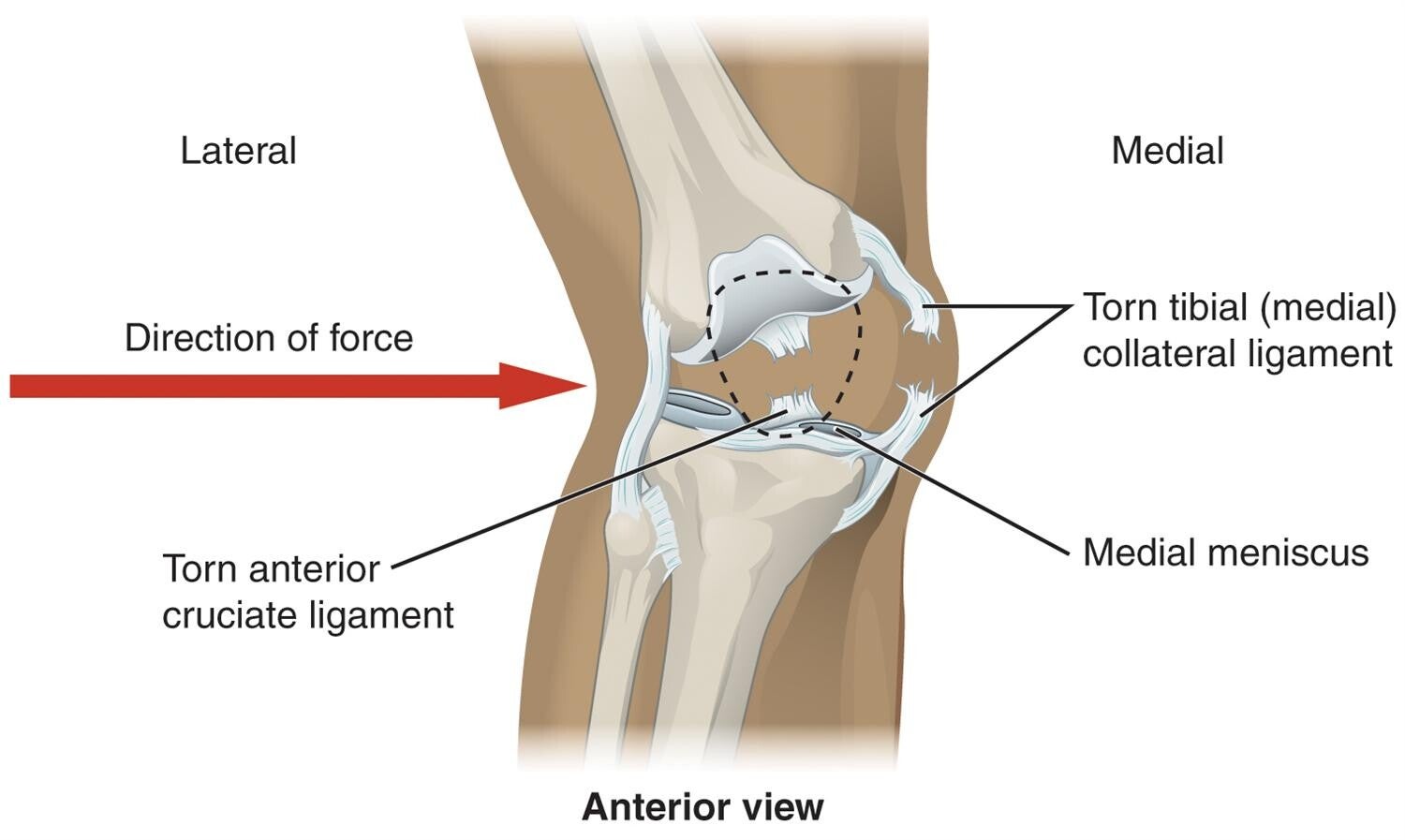
ACL injuries don’t always happen alone. In many cases, other structures in the knee are damaged at the same time. For example, the meniscus—which helps cushion the knee—and the MCL, located on the inner side of the knee, are commonly affected.
When the ACL, MCL, and meniscus are all injured together, this is sometimes referred to as the “unhappy triad,” which represents a more severe and complex knee injury. Overall, whether the injury is contact or non-contact, the common theme is that the knee is placed under forces that exceed what the ACL can handle
Create Your Own Website With Webador